
Topicals: Breaking Barriers in Beauty


The skincare industry has become over saturated with products that promise flawless skin (GLG Insights, 2023). Topicals is a skincare brand that was crafted to address chronic skin conditions like eczema, hyperpigmentation, and more. The brand offers a wide range of products from masks to cleansers, to lip balms all designed and formulated to improve user’s skin and boost confidence. Their products are dermatologist approved and designed to be effective and inclusive. Topicals’ main focus is on the health of skin, as opposed to the unattainable idea perfection that has been
perpetuated for decades.

Topicals was founded in 2020 by two young women Olamide Olowe [23, African American] and Claudia Teng [24, Asian American] with the intention of destigmatizing skin conditions. Olowe grew up with a chronic skin condition and created the brand to address the lack of treatment that was effective for people of color. In 2021 Olowe was able to raise $10 million in venture capital, making her the youngest Black woman in history to do so. (Elle, 2024)
Organizational Analysis
According to Topicals’ website their mission is “to transform the way people feel about their skin through effective science-backed products and mental health advocacy” (MyTopicals, n.d.). Topicals’ mission aims to improve consumers’ emotional wellbeing by providing them with dermatology tested formulas, simple regimens, and aesthetic packaging. The brand addressed both the physical and emotional aspects of skincare by addressing that chronic skin conditions can lead to a decline in one’s mental health. Topicals is more than just skincare, but a movement to transform the skincare industry.
Topicals offers a range of 16 different products that target specific skin conditions for the entire body. Some of their most popular products include:

· Faded Under Eye Masks: Brightens under eyes.
· Slick Salve Lip Balm: Soothes and hydrates lips.
· Like Butter Moisturizer: Hydrates dry, eczema-prone skin.
· Slather Exfoliating Body Serum: Smooths textured skin.
These products perfectly align with Topicals’ commitment of providing inclusive and effective solution for those struggling with chronic skin conditions.
Topicals’ main values are inclusivity, mental health, and community. They communicate these values through their strong digital marketing strategy. The brand uses in-house marketing team to effectively communicate their values to the public. Their marketing team utilizes different social media platforms (specifically Instagram, TikTok, and Twitter), their website, email marketing, and retail partnerships (with Sephora). The company does not explicitely communicate with the public about how their internal communication in structured, but it is known that they have an internal team dedicated to marketing.
Competitor Analysis
As a fairly new skincare brand, Topicals faces competition from well-known brands that also place strong priority on inclusivity and effective formulas. Three of Topicals’ main competitors are The Ordinary, Hero Cosmetics, and CeraVe. Each of these brands take a different approach to skincare, while also sharing similarities.
The Ordinary

The Ordinary launched globally in 2016 with the purpose of simplifying and customizing skincare. The brand avoids using complex formulas and takes a straightforward approach. The Ordinary created products with clearly identifiable active ingredients. The Ordinary believes in products supported by research, similarly to Topicals. Both brands are committed to inclusivity in the skincare industry.
Unlike Topicals’ each of The Ordinary’s product serve a specific purpose and are meant for consumers to customize their routine based off their own skincare needs. The Ordinary has an average price range from $9 to $32 being slightly more affordable than Topicals which ranges from $16 to $38. But arguably Topicals has multiple active ingredients compared to The Ordinary’s one per product.
Hero Cosmetics
Hero Cosmetics, founded in 2017, is a skincare brand that provides skincare solutions for those with acne without the harsh chemicals. With more than 30 products, Hero Cosmetics’ main goal is to reduce the stigma around skin treatments (same as Topicals). Hero Cosmetics also appeals to Gen Z through their eye-catching campaigns and brand ambassador program. The brand offers targeted treatments for specific skin conditions, all backed by dermatologists.

While Topicals focuses on chronic skin conditions, Hero Cosmetics focuses more on solutions for acne. One of their most popular products is the “Mighty Patch” (pictured in Figure 5). Hero Cosmetics presents a more minimal aesthetic that is somewhat clinical, as opposed to Topicals’ bold and fun look. Hero Cosmetics is on the shelves of most major beauty retailers (like Sephora, Ulta, etc.) but unlike Topicals is also available in drugstores like CVS. Hero Cosmetics has made themselves accessible to a wider range of consumers.
CeraVe
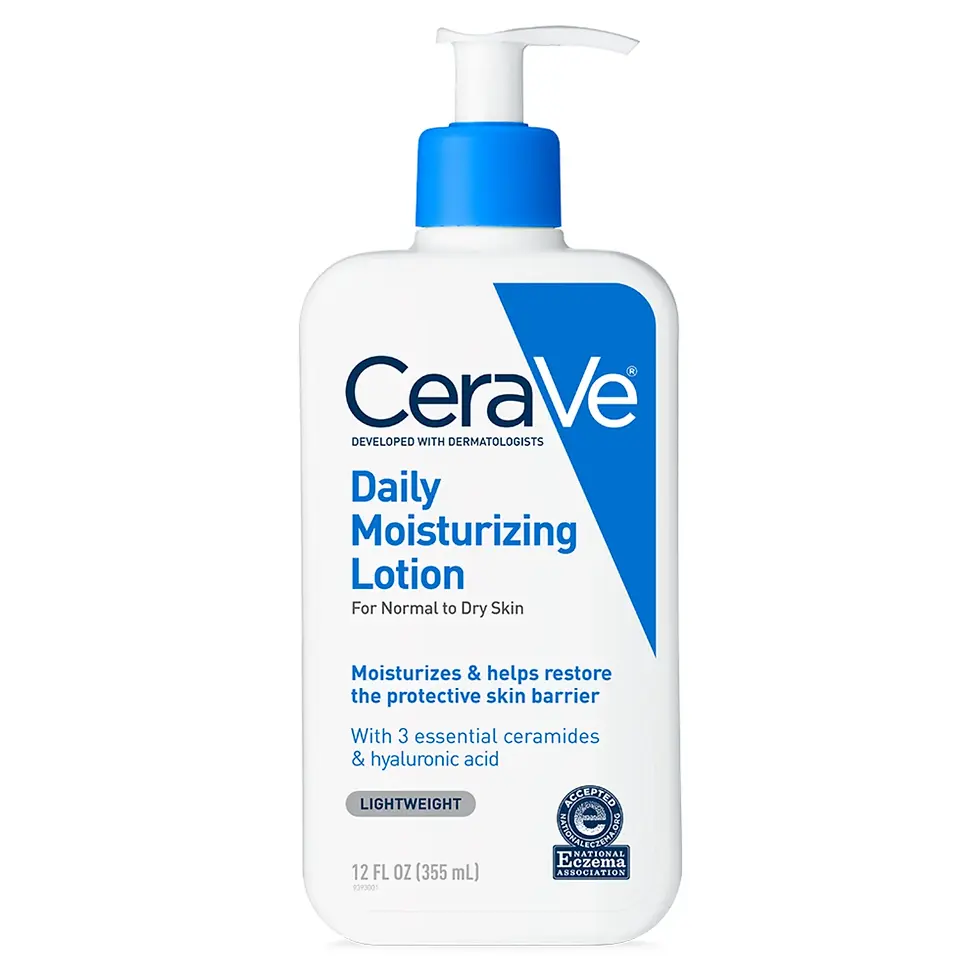
CeraVe’s main advertising point is that they are the “#1 dermatologist recommended skincare brand.” (CeraVe n.d.) The brand was launched in 2006 alongside dermatologists who understand conditions like eczema and acne. Like Topicals, CeraVe places priority on effective, science-backed treatment. CeraVe’s products are meant to be effective for all skin types and aims to be inclusive.
Like Hero Cosmetics, CeraVe also takes a more minimal and clinical aesthetic. CeraVe has a broader consumer base appealing to most people, unlike Topicals appealing to mainly Gen Z. CeraVe can be found in most major drugstores ranging from $10 to $20. CeraVe’s products are meant to be gentler with the focus on repairing skin barriers, while Topicals’ treatments are targeted to specific skin conditions.
Environmental Analysis
In the constantly evolving skincare industry, Topicals must be able to position itself in a way that helps them differentiate themselves from their competition. Conducting a SWOT analysis will help Topicals to understand their current position in the industry and ways they could evolve.
Strengths
Topicals has effectively catered to Gen Z consumers through their bold packaging. Topicals also draws in Gen Z through their use of influencer marketing, their influencer brand trip in particular. Topicals invited 12 Black influencer to Ghana in January 2024 in response to the backlash Tarte (a makeup brand) faced due to lack of diversity (Vogue Business, 2024). Topicals received a lot of praise from Gen Z and helped to strengthen relationships with consumers.
Weaknesses
A weakness that Topicals has is their higher price compared to their competitors. CeraVe and Hero Cosmetics position themselves as more accessible and budget friendly. Topicals’ lack of accessibility is a large weakness and can create barriers for potential consumers. Lastly, Topicals’ limited product range may be too focused on specific treatments and can limit their consumer base to only those with chronic skin conditions.
Opportunities
As a fairly new skincare brand, Topicals has many opportunities to expand. Topicals could benefit greatly from a product expansion. Some new products could include sunscreen and a daily skincare kit. Topicals could also continue to collaborate with more beauty influencers of all demographics to continue to further their reach.
Threats
Some threats to Topicals in the skincare industry could be the oversaturation of skincare brands. The skincare industry is constantly evolving, and new trends enter and exit the industry at a rapid rate. Another threat to the industry is “greenwashing” or the practice of labeling products as sustainable and natural when they are not. (Trilogy) When working with manufacturers, companies must be diligent to ensure that their products are what they are advertising.
Consumer Analysis
By understanding their target audience, Topicals will be able to market effectively to retain their core consumer group and properly analyze their marketing performance. Three of these core consumer groups are:
· Gen Z and Millennials
· Minorities and Underrepresented populations
· Individuals with Chronic Skin Conditions
Through the brands core values and messaging, Topicals has made it clear that this is their main audience. Their fun bold packaging and use of social media to communicate appeals mostly to Gen Z and younger Millennials. The use of influencer marketing and engaging visuals helps Topicals to connect with those generations.
Topicals appeals to minorities through their advocacy and inclusivity in campaigns. According to an article in Elle Magazine when their best-selling lip balm sold out, they referred consumers to other Black-Owned brands to support while they wait for a restock (Elle, 2024). This is just one example of Topicals’ commitment to diversity and supporting underrepresented groups.
The brand appeals to individuals with chronic skin conditions through their science backed products. Topicals offers effective solutions and targeted treatment that aims to destigmatize skin conditions.
Communication Analysis
Topicals leverages different social media and online platforms to connect with their target audience (Gen Z) effectively. The brand heavily relies on digital marketing through influencer marketing. Topicals also engages with their consumers using social media and online communities.
The topicals website serves as a space for consumers to find products, browse reviews, and receive valuable information about mental health. Instagram is where the brand shares user-generated content and collaborations with influencer, as well as promote new and existing products. TikTok is used to engage in trends and share exclusive content. They also engage with other creators through commenting or resharing their TikToks. The brand also takes advantage of Email Marketing which provides members who subscribe with deals, new products, and informational content.
Some reports provided to different audiences would be PR packages to different celebrities and brand ambassadors allowing them early access to new products. Stakeholders receive annual reports including information on sales, brand engagement, etc. Some consumers receive reviews and testimonials to help them make informed decisions on whether or not to purchase a product. Across all platforms Topicals places a key emphasis on mental health and inclusivity.
Suggestion for Future Directions
Topicals still has room to grow as a new brand in the skincare industry. I would begin by suggesting expanding product offering to include a daily skincare routine kit. This would widen Topicals audience to those who are interested in maintaining skin health. Topicals should also consider expanding their distribution from beauty specific stores to everyday drugstores like CVS and Walgreens. Within the Topicals website, it would be beneficial to use AI and data tracking to make personalized recommendations. Data tracking would also be helpful in creating email reminders when they suspect the consumer may need to restock on a specific product in their routine. By implementing these suggestions, Topicals could position themselves as a leader and trailblazer in the skincare industry.
References
CeraVe. (n.d.). Developed with dermatologists. CeraVe. https://www.cerave.com/about-cerave/developed-with-dermatologists
Elle. (2024, February 2). How Topicals is redefining beauty marketing. Elle. https://www.elle.com/beauty/makeup-skin-care/a46817412/topicals-beauty-marketing-lifestyle/
GLG Insights. (2023, July 5). The 6 biggest issues facing the $532 billion beauty industry. GLG Insights. https://glginsights.com/articles/the-6-biggest-issues-facing-the-532-billion-beauty-industry/
Hero Cosmetics. (n.d.). About us. Hero Cosmetics. https://www.herocosmetics.us/pages/about-us
Illumination Consulting. (2024, August 2). How skin care companies can increase sales and market share. Illumination Consulting. https://illuminationconsulting.com/how-skin-care-companies-can-increase-sales-and-market-share/
MyTopicals. (n.d.). Shop all. MyTopicals. https://mytopicals.com/collections/shop-all
The Ordinary. (n.d.). Change is the journey. The Ordinary. https://theordinary.com/en-us/changeisthejourney.html
Trilogy Laboratories. (2023, March 10). Problems in the beauty industry. Trilogy Laboratories. https://trilogylaboratories.com/problems-in-the-beauty-industry/
Vogue Business. (2024, January 15). How to do influencer trips right: Topicals in Ghana. Vogue Business. https://www.voguebusiness.com/story/beauty/how-to-do-influencer-trips-right-topicals-ghana
Comments